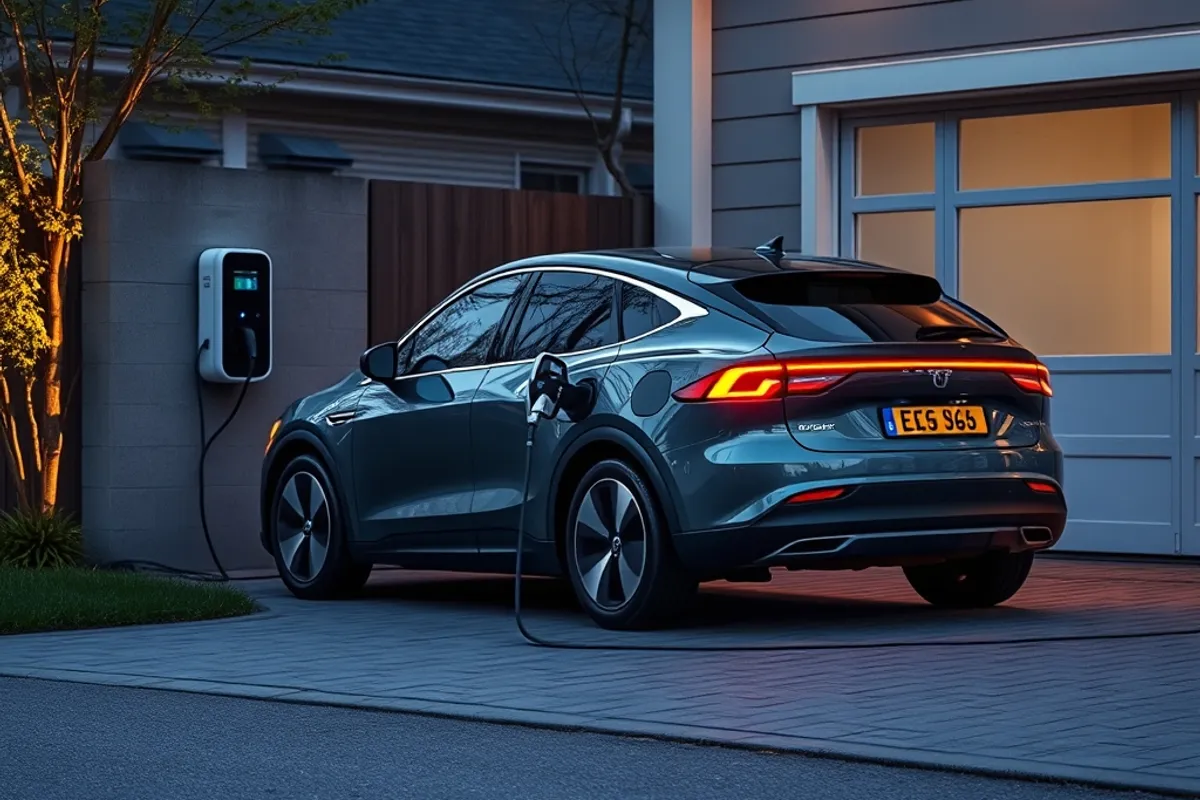
Judge range by your week, not the brochure
Range anxiety fades the moment you plan around your real week rather than a headline number. Most drivers travel well under 40 miles a day, which any modern EV covers easily. The question is whether the car handles your longest regular trip and your worst winter week without a charging headache.
Official range is measured in mild conditions. Cold, highway speed and heating cut it sharply, so always plan for less. The US Department of Energy publishes comparable efficiency figures that are far more useful than a single claimed number. If you are installing a charger, read our home charging guide first.
The seven cars at a glance
The table groups the picks by role, from city runabout to long-distance tourer.
| Car | Best for | Price band |
|---|---|---|
| City hatch EV | Urban commuting | Low |
| Compact crossover EV | Family all-rounder | Mid |
| Long-range sedan | Highway miles | Mid to high |
| Efficient small SUV | Value and space | Mid |
| Performance EV | Speed and tech | High |
| Premium tourer EV | Comfort and range | High |
| Budget city EV | Lowest entry cost | Low |

What to compare, honestly
Three numbers decide most of the experience: usable battery size, real highway efficiency and peak charging speed. A car with a big battery but slow charging can be worse on a road trip than a smaller car that charges quickly. Look at how long it takes to add 10 to 80 percent, not the theoretical peak.
Running cost is the other half. Miles per kilowatt-hour, and the price you pay for home electricity, decide your yearly spend far more than the sticker price alone.
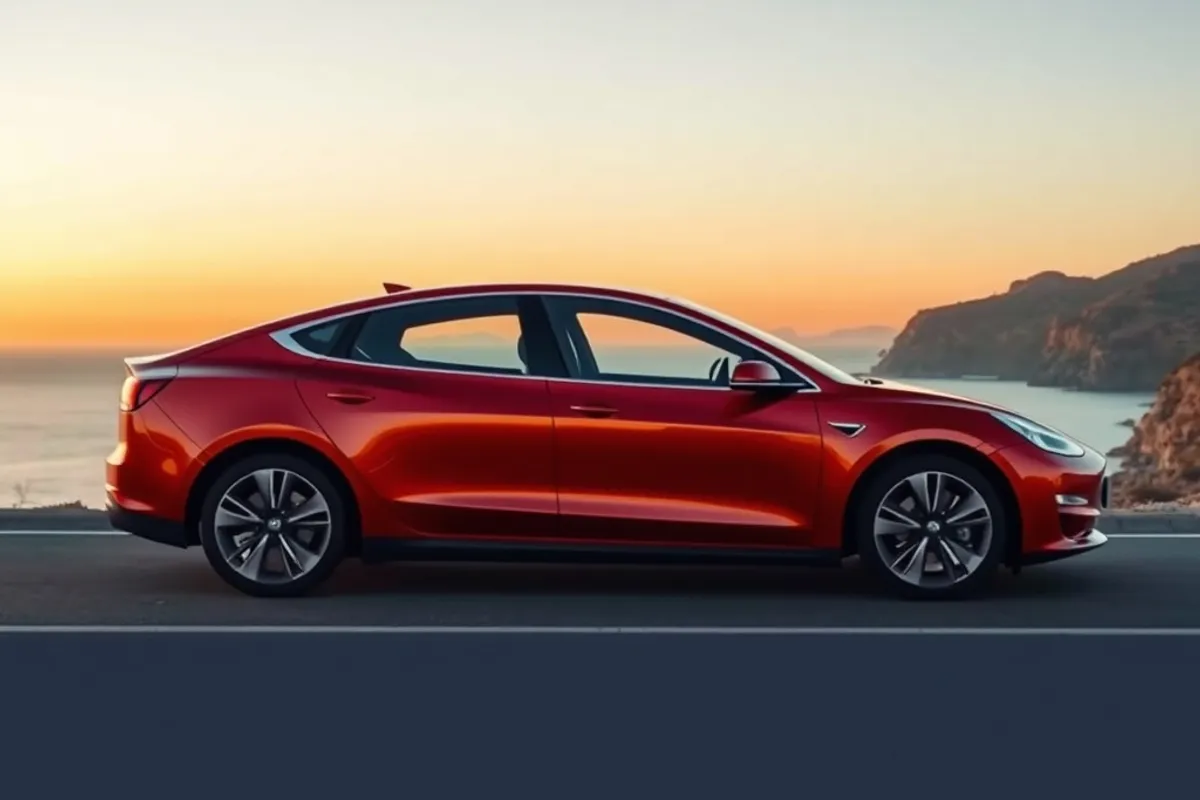
The best EV for you is the one whose worst day still covers your normal week.
Best for the city and the commute
For urban drivers the small and budget city EVs are the sensible pick. They are cheap to buy, cheap to run and easy to park, and their shorter range is irrelevant when every night ends plugged in. A compact hatch covers the whole week on a single cheap overnight charge.
If almost all your driving is local, buying extra battery capacity you rarely use is wasted money. Match the battery to the lifestyle.
Best for families and long trips
The compact crossover and efficient small SUV hit the family sweet spot, with usable space and enough range for a weekend away. The long-range sedan and premium tourer suit anyone who regularly covers big highway distances, where efficiency and fast charging matter most.
For road trips, prioritise a fast charge curve and a reliable charging network over a few extra miles of range. Arriving ten minutes sooner beats carrying a heavier battery all year.
Owning and charging reality
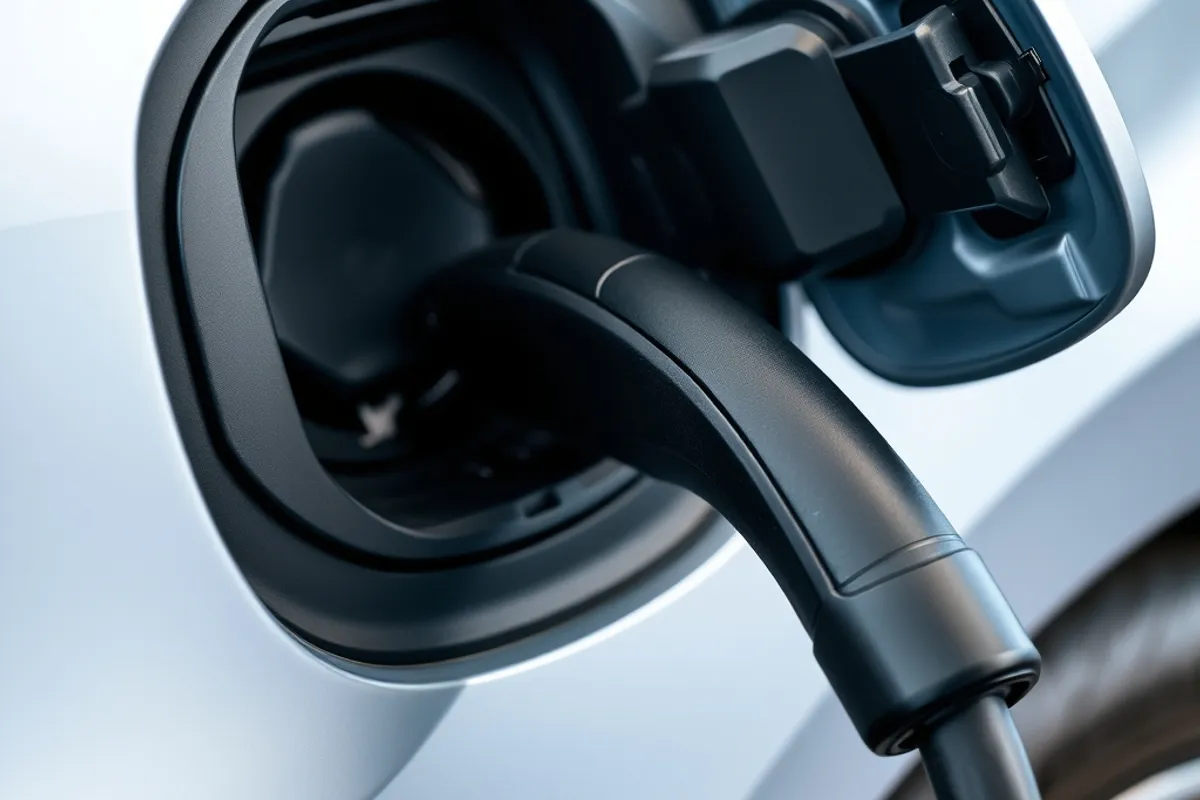
Home charging is the single biggest cost saver. Charging overnight on a cheap tariff can cost a fraction of public rapid charging, which is often three to four times the price per kilowatt-hour. Without a driveway or workplace charging, the maths tightens considerably.
Battery health also deserves a thought. Keeping the charge between 20 and 80 percent for daily use, and reserving full charges for long trips, helps the pack last. Most modern packs carry long warranties, which reduces the risk.
The verdict
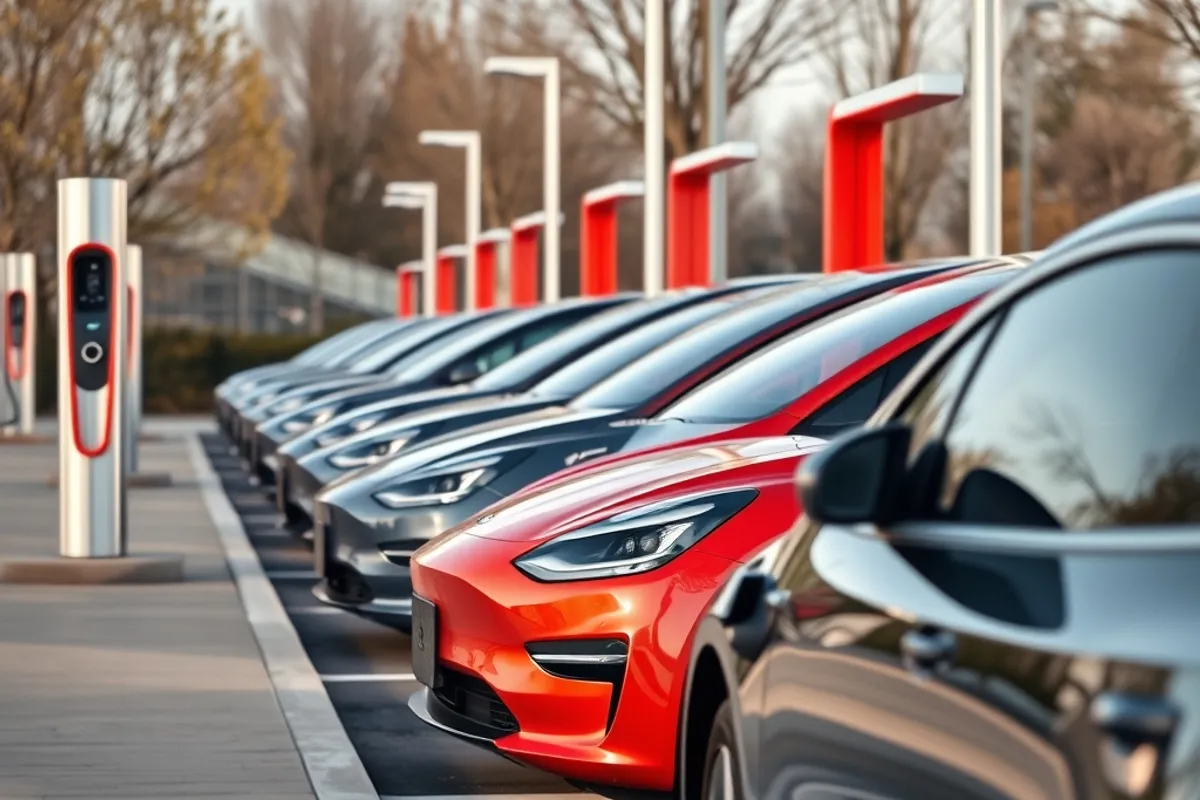
Match the car to your week and your charging, not to a headline range figure. City drivers should buy small and cheap, families should choose the crossover or small SUV, and highway travellers should pay for efficiency and fast charging. Sort the home charger first, and the right EV becomes an easy, cheap car to live with.