The three ways to charge at home
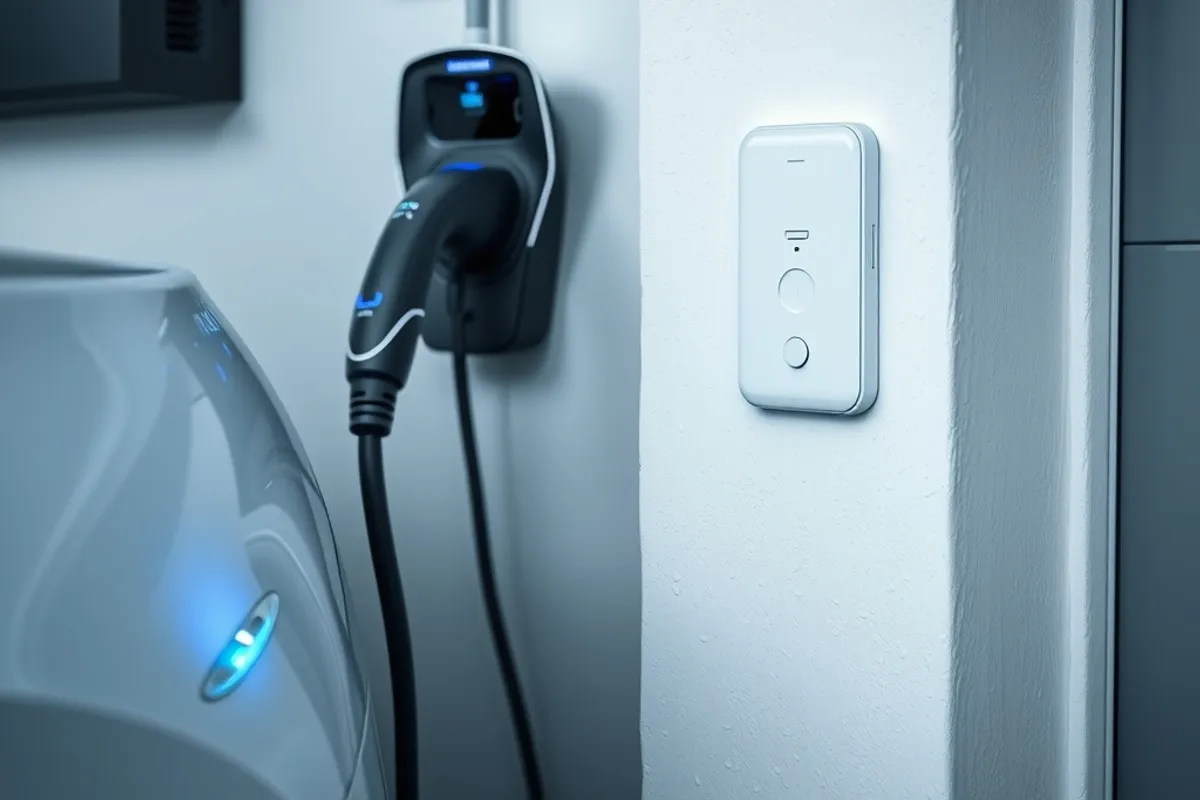
Home charging comes in three shapes. A standard wall outlet charges slowly but may be enough for a low-mileage driver. A dedicated Level 2 charger fills a car overnight and is the sensible default. A high-power setup only matters if you have a very large battery and a short overnight window.
Before buying hardware, check your daily mileage and your electricity tariff. Efficiency data from the US Department of Energy helps you translate kilowatt-hours into real driving cost. If you are still choosing a car, start with our best electric cars guide.
Costs at a glance
The table gives realistic 2026 figures for a typical single-family home. Actual costs vary with your panel and local labour rates.
| Item | Typical cost |
|---|---|
| Level 1 wall outlet use | Nearly free to start |
| Level 2 charger hardware | $400 to $800 |
| Standard installation | $500 to $1,000 |
| Long cable run or panel work | $1,000 to $1,500 plus |
| Permit and inspection | $50 to $300 |
| Off-peak electricity per mile | A few cents |
Choosing the right charger
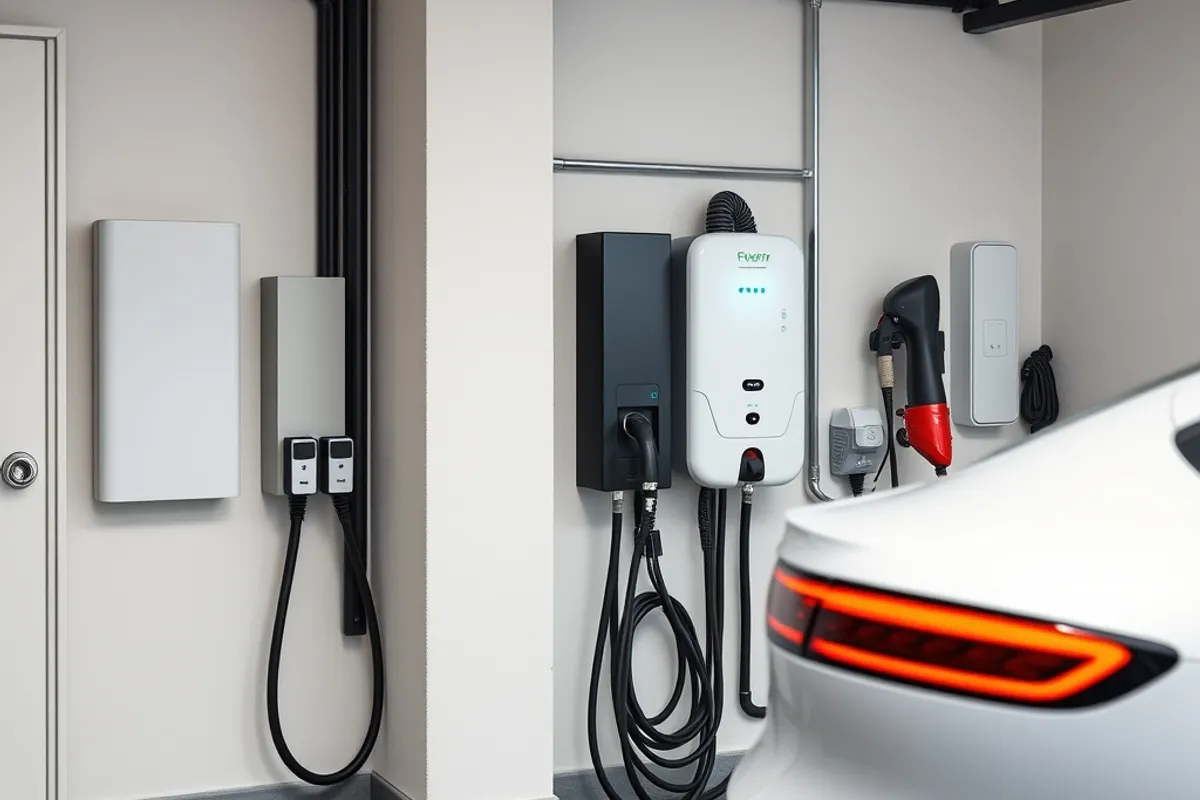
Almost all home EVs use the same standard connector, so any reputable Level 2 charger works with almost any car. Look for a unit rated at least 32 amps, with a cable long enough to reach where you park, and a weather rating if it lives outside. A built-in cable holster and app scheduling are genuinely useful extras.
Smart features that shift charging to cheap hours pay for themselves over time. Reliability and good support matter more than a flashy app, so choose a brand with a solid warranty.
The cheapest mile you will ever drive is the one charged at home overnight.
Installation and permits
A qualified electrician should handle the installation, because it involves a dedicated circuit, correct breaker sizing and safe cable routing. Many areas require a permit and an inspection, and skipping them can void insurance or complicate a home sale. Get at least two quotes and confirm the electrician has done EV work before.
You may also need a load calculation. If your panel is nearly full, a modest upgrade may be required, which is the biggest variable in the cost. Mention this early so quotes are realistic.
Making the maths work for you
The savings come from charging when electricity is cheapest. A time-of-use tariff that offers low overnight rates can cut your cost per mile to a small fraction of petrol, and some utilities offer EV-specific plans. Scheduling the car to charge in that window needs no effort once set up.
Solar owners can do even better, effectively driving on sunlight. Even without solar, the combination of a home charger and an off-peak tariff is what makes EV running costs so low.
Everyday charging habits
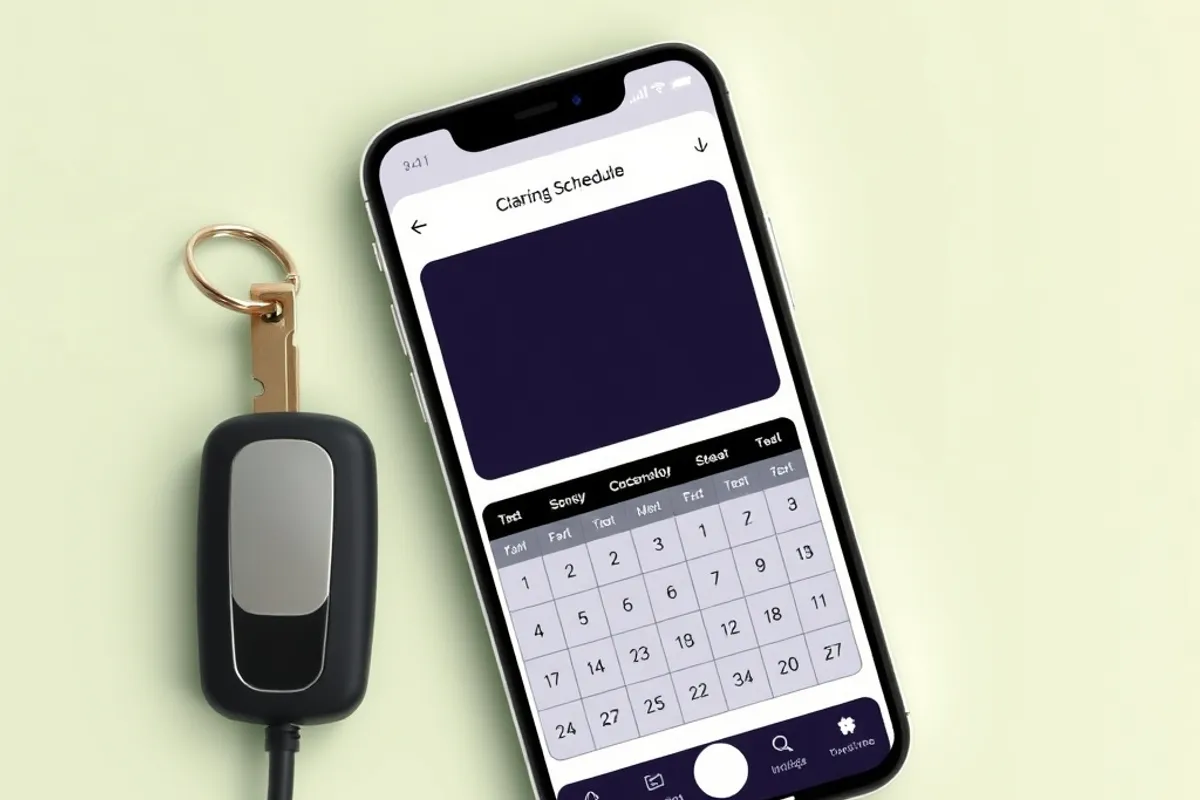
For daily driving, keep the battery between 20 and 80 percent and let the car handle the rest. Charge fully only before a long trip. Plug in whenever convenient rather than running it low, and pre-condition the cabin while still plugged in during winter to protect range.
Keep the charge port clean and dry, and check the cable for damage time to time. Good habits keep the pack healthy for years.
The verdict
Install a Level 2 charger if you can, on a off-peak tariff, and the cost of driving drops sharply. Sort the electrical work with a qualified pro, get permits in order and adopt simple charging habits. Done well, home charging is the single biggest reason an EV is cheaper to run than any petrol car.