Why order beats effort
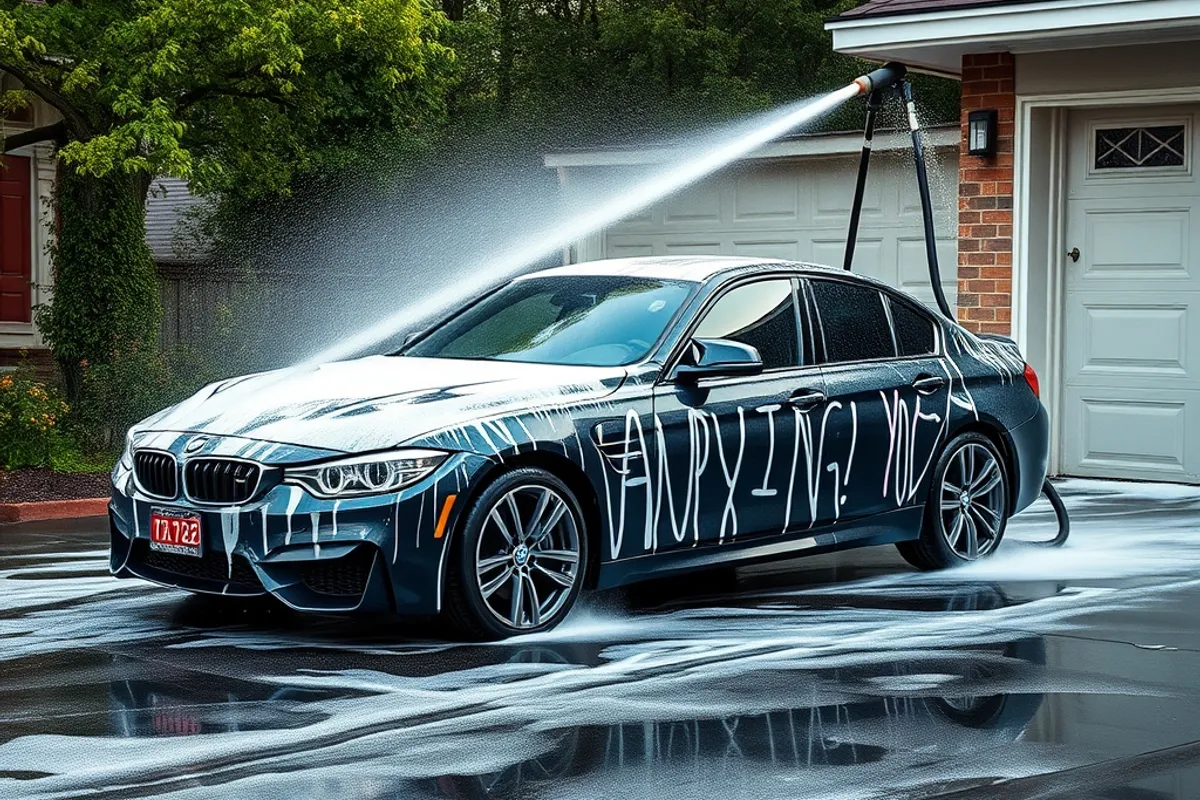
Detailing looks like hard scrubbing, but it is really about sequence. Dirt from the wheels carries grit that scratches paint, so wheels always come last. Dust lifts off with a rinse before anything touches the surface. Get the order right and a gentle wash beats a hard rub every time.
Cool, shaded paint matters too. Washing a hot panel in direct sun dries the soap before it works and leaves spots. Set up in the shade with two buckets and the whole job gets easier. For protection choices, see our guide to wax and ceramic coating.
The beginner routine at a glance
Follow the table in order. Each step prepares the surface for the next.
| Step | What you do |
|---|---|
| 1. Prep | Park in shade, gather kit, fill two buckets |
| 2. Pre-rinse | Rinse top to bottom to lift loose dirt |
| 3. Wash | Two-bucket method, top down, straight lines |
| 4. Dry | Blot with a clean microfibre towel |
| 5. Decontaminate | Bug, tar and iron remover where needed |
| 6. Protect | Wax or coating, thin and even |
| 7. Detail | Glass, tyres and trim last |
The two-bucket wash
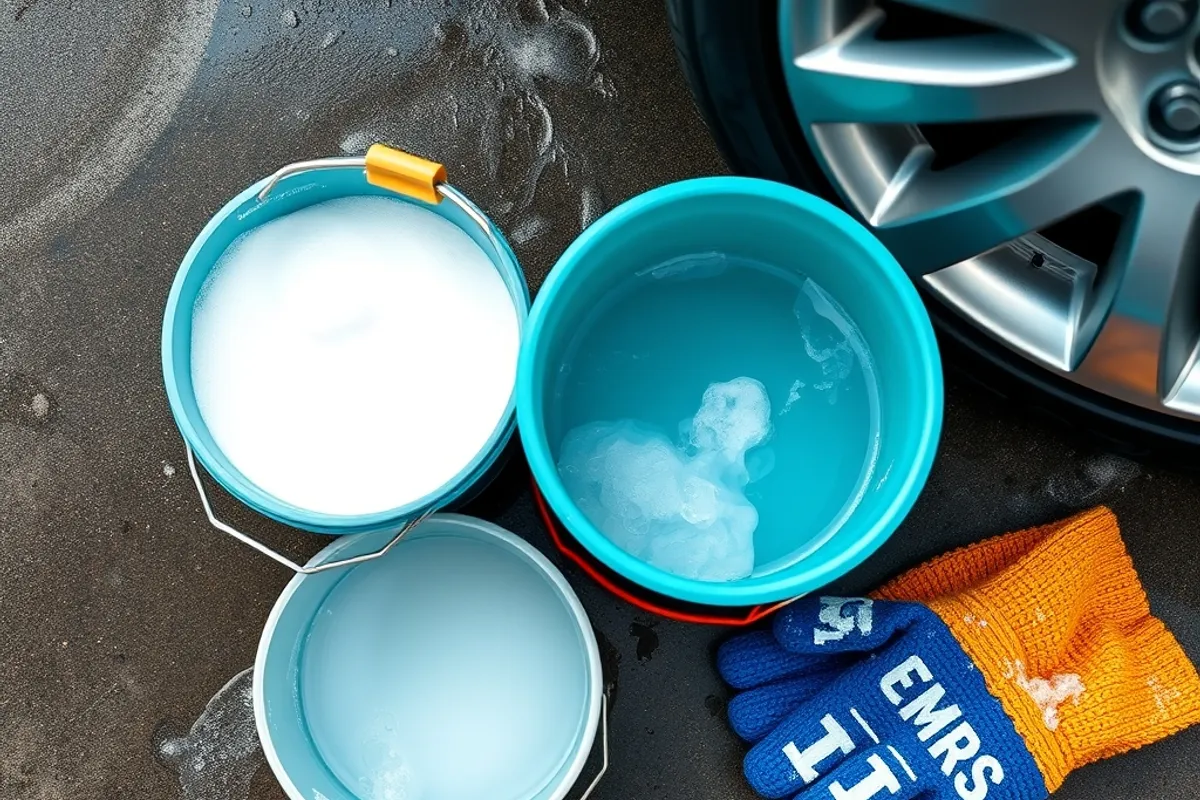
The two-bucket method is the single most important habit in detailing. One bucket holds soapy water, the other clean rinse water. Dip your mitt in soap, wash a small section, then rinse the mitt in the clean bucket before reloading. Grit stays in the rinse bucket instead of being dragged across paint.
Use a soft microfibre mitt, not a sponge, and move in straight lines rather than circles. Wash the roof and upper panels first, sills and lower panels last, because that is where the heaviest dirt sits.
Clean paint is not about hard scrubbing. It is about working in the right order.
Drying without swirls
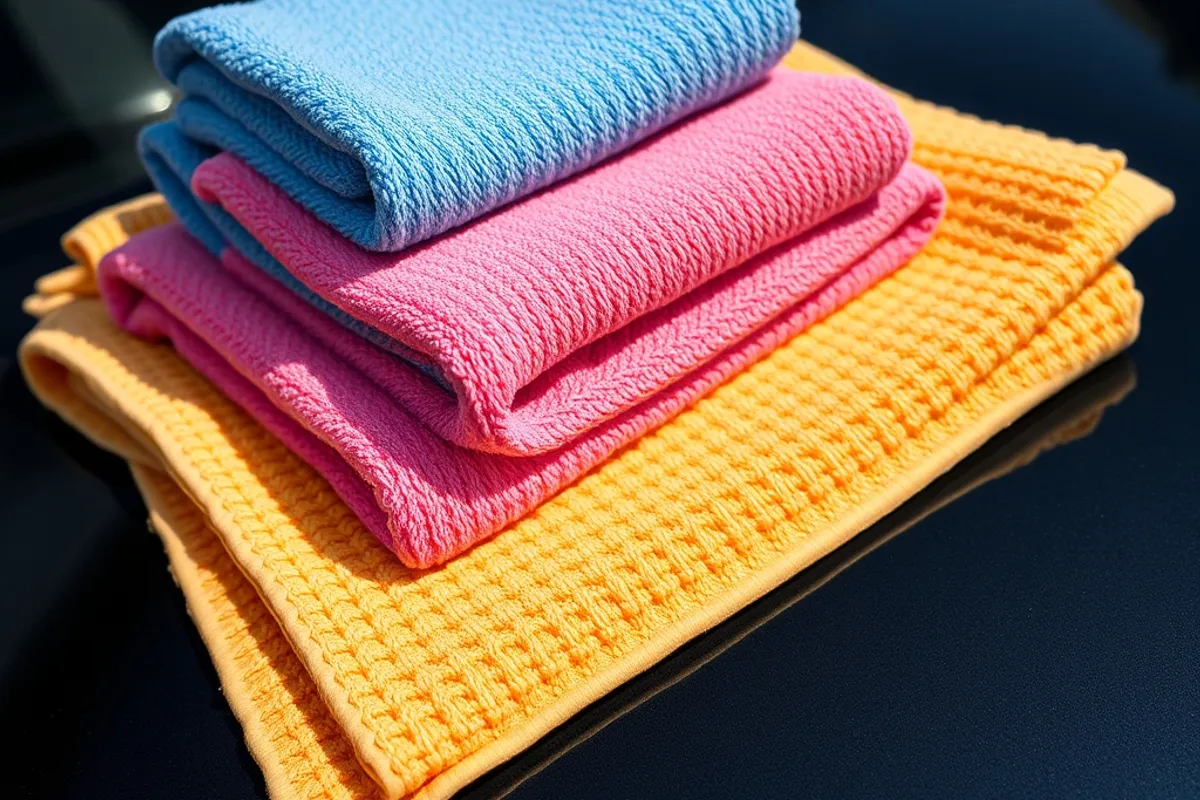
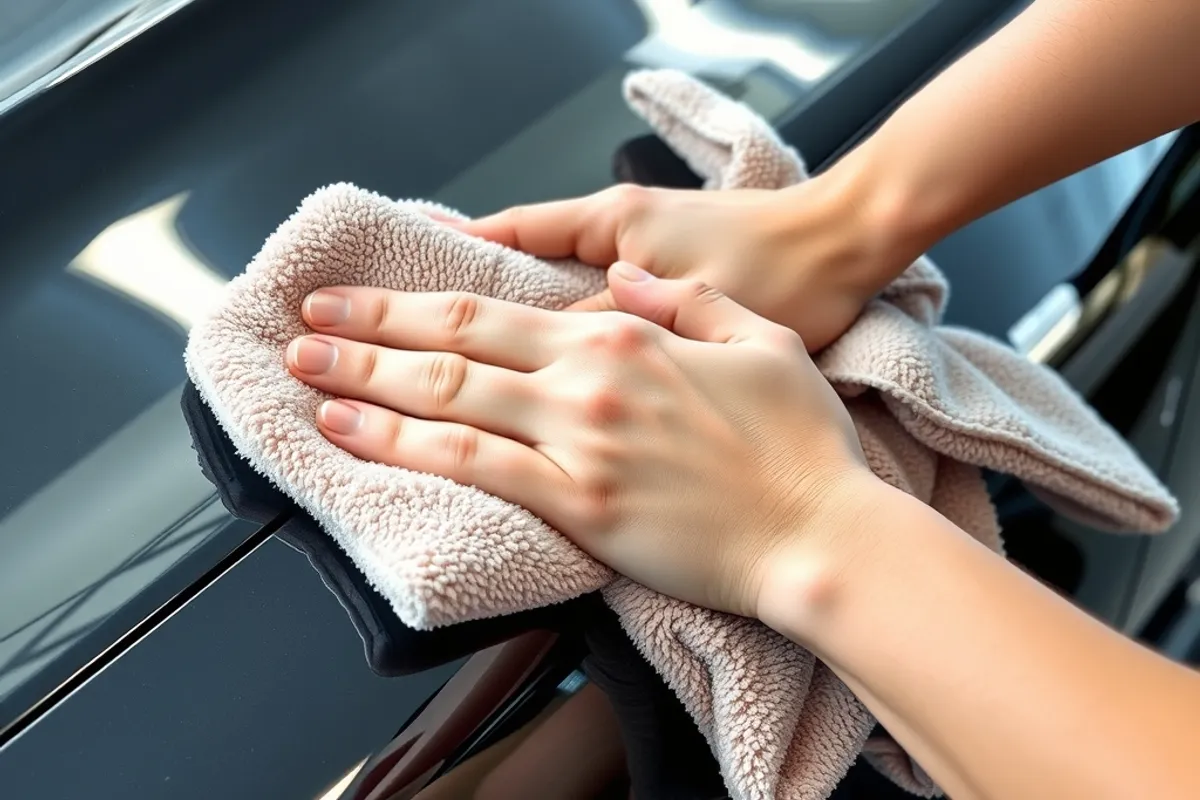
Most swirl marks happen during drying, not washing. Use a large, clean microfibre towel or a plush drying towel and blot the water rather than wiping. A quick spritz of detail spray adds lubrication and reduces friction. Never let the paint air-dry in the sun, or you will chase water spots for hours.
Keep dedicated towels for paint, glass and wheels. A towel that touched a wheel should never touch paint again.
Decontaminating paint
After washing, a smooth paint surface should feel like glass through a plastic bag. If it feels rough, you have bonded contaminants such as tar or iron. A dedicated iron remover turns purple as it works, and a clay bar lifts the rest. Both are optional for a weekly wash but valuable before any polish or coating.
Autumn and winter add road salt and grime, so a seasonal decontamination keeps paint healthy. The US Environmental Protection Agency offers guidance on safe disposal of wash and chemical runoff, worth following when you wash at home.
Protecting the finish
Protection is what keeps the shine between washes. A simple spray wax takes ten minutes and lasts weeks. A quality paste wax lasts a few months. A ceramic coating lasts years but needs a clean, prepared surface and careful application. Match the product to the time you can commit.
Apply thin coats and let them cure as the label directs. More product does not mean more protection; it just means more residue to buff off.
Getting better each time
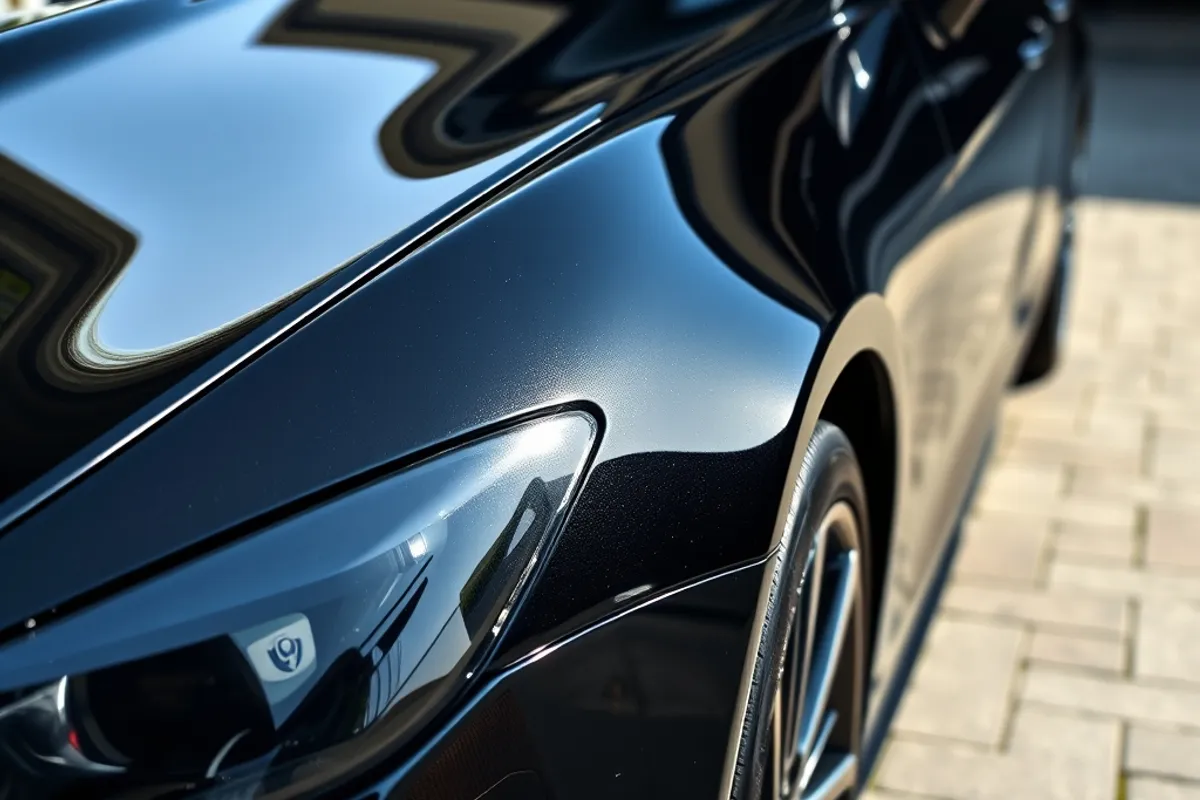
Start with a safe weekly wash, then add decontamination and protection once a season. Photograph your car in the same light each month to see the improvement. With the right order and clean tools, a beginner can keep a daily driver looking close to showroom, using a kit that costs less than a single professional detail.