Why intervals beat brands
Modern cars fail for the same handful of reasons whatever the badge: neglected fluids, worn belts and tyres that were ignored. The owner manual that came with your car is the single best schedule you will ever get, and it is free. Follow it, and most of this article is simply confirmation.
Where manuals differ from dealer upsells, trust the manual. The US National Highway Traffic Safety Administration publishes recall and safety information that belongs alongside any service routine. If you do your own work, pair this with our beginners guide to DIY repair.
The schedule at a glance
Use the table as a quick reference, then confirm the exact figures in your own manual. Severe use, meaning short trips, heavy loads or dusty roads, means shorter oil intervals.
| Mileage | Core jobs |
|---|---|
| Every 5,000 to 7,500 | Oil and filter, tyre pressures, brake check |
| Every 15,000 | Cabin and engine air filters, tyre rotation |
| Every 30,000 | Brake fluid, spark plugs on some engines |
| Every 60,000 | Coolant, transmission fluid, belts inspection |
| Every 90,000 | Timing belt (if fitted), water pump, suspension check |
| Every 120,000+ | Shocks, bushings, full fluid refresh |
The fluids that quietly matter most
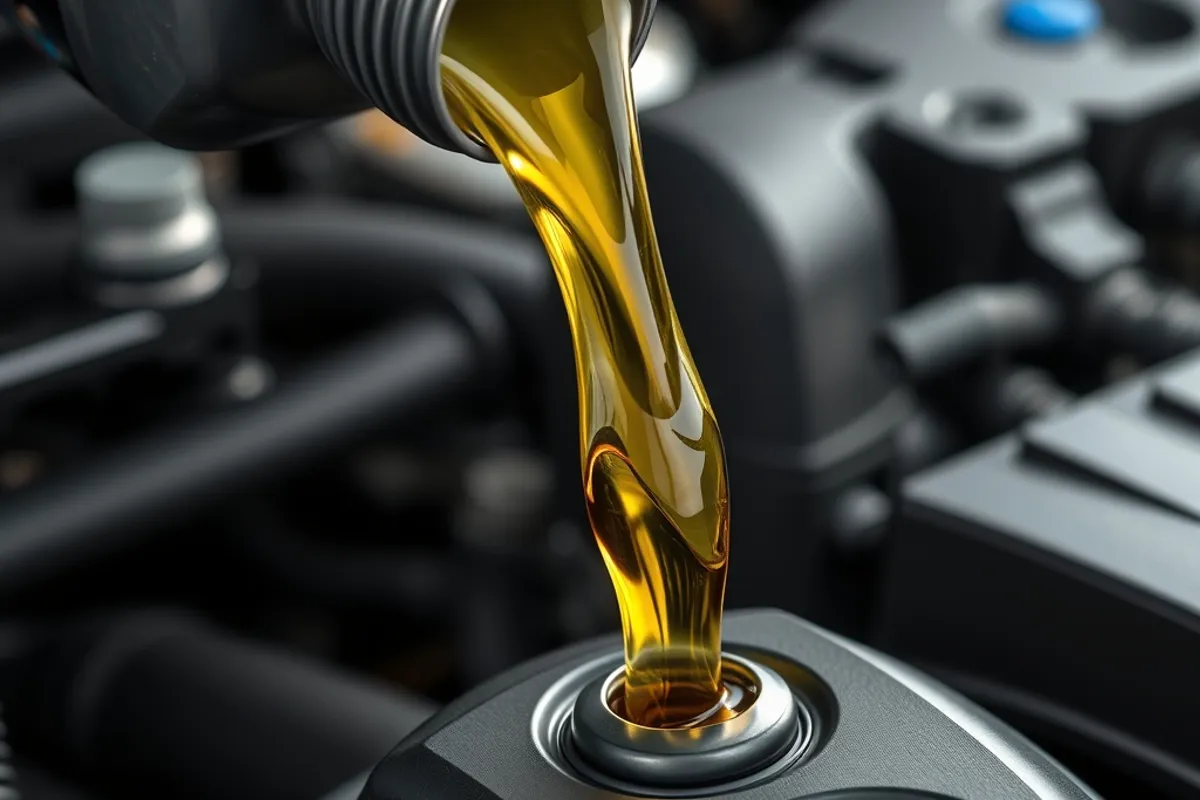
Oil is the obvious one, but brake fluid and coolant are the silent killers. Brake fluid absorbs water over time, which lowers its boiling point and lengthens stopping distance. Coolant degrades and stops protecting against corrosion, which can block a heater core or a radiator. Change both on schedule even when everything feels fine.
Transmission fluid is overlooked because it is sealed on many cars. Where a drain and fill is possible, doing it every 60,000 miles is far cheaper than a replacement gearbox. Never let a shop flush a high-mileage transmission that has never been serviced; a gentle drain and fill is safer.
Maintenance is boring on purpose. That is exactly why it keeps the repair bill small.
Tyres, brakes and the safety core
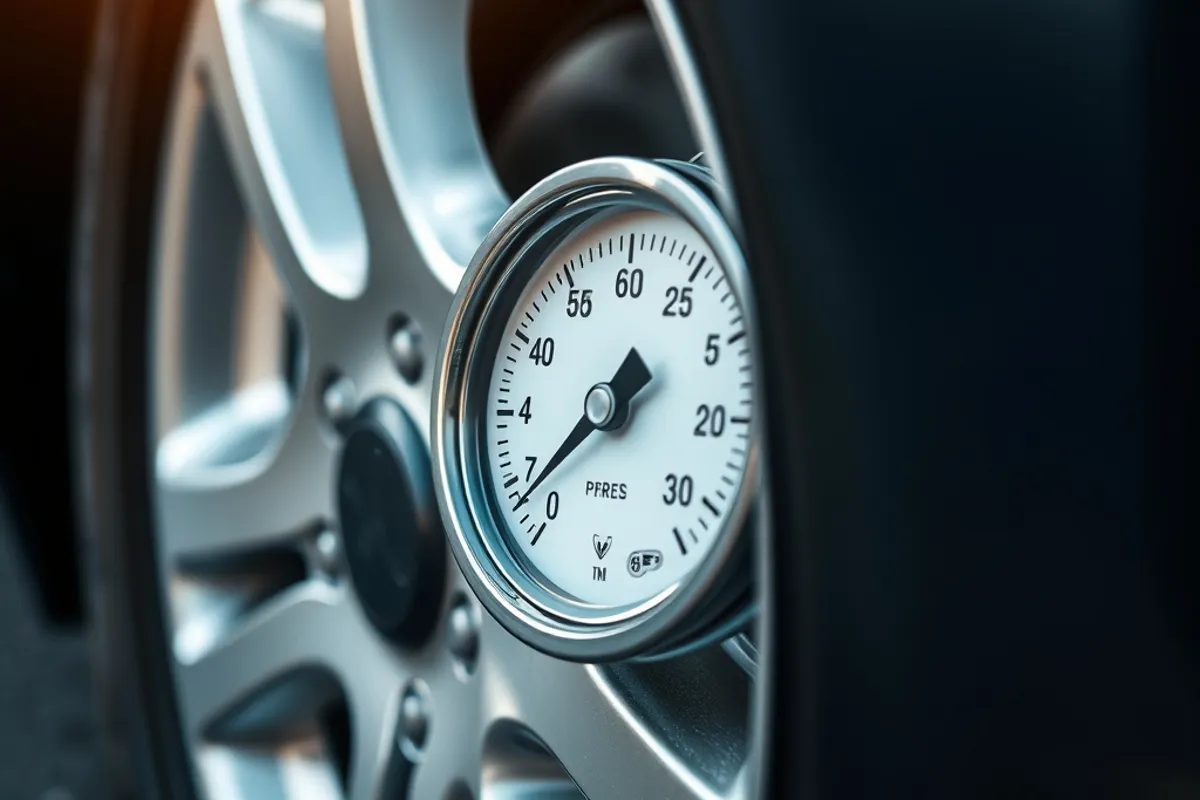
Tyres and brakes are the two systems that decide whether you stop in time. Check tyre pressures monthly and rotate them on schedule to even out wear. Replace a tyre when the tread reaches the legal minimum, well before it becomes a wet-weather gamble. Uneven wear usually points to an alignment problem worth fixing early.
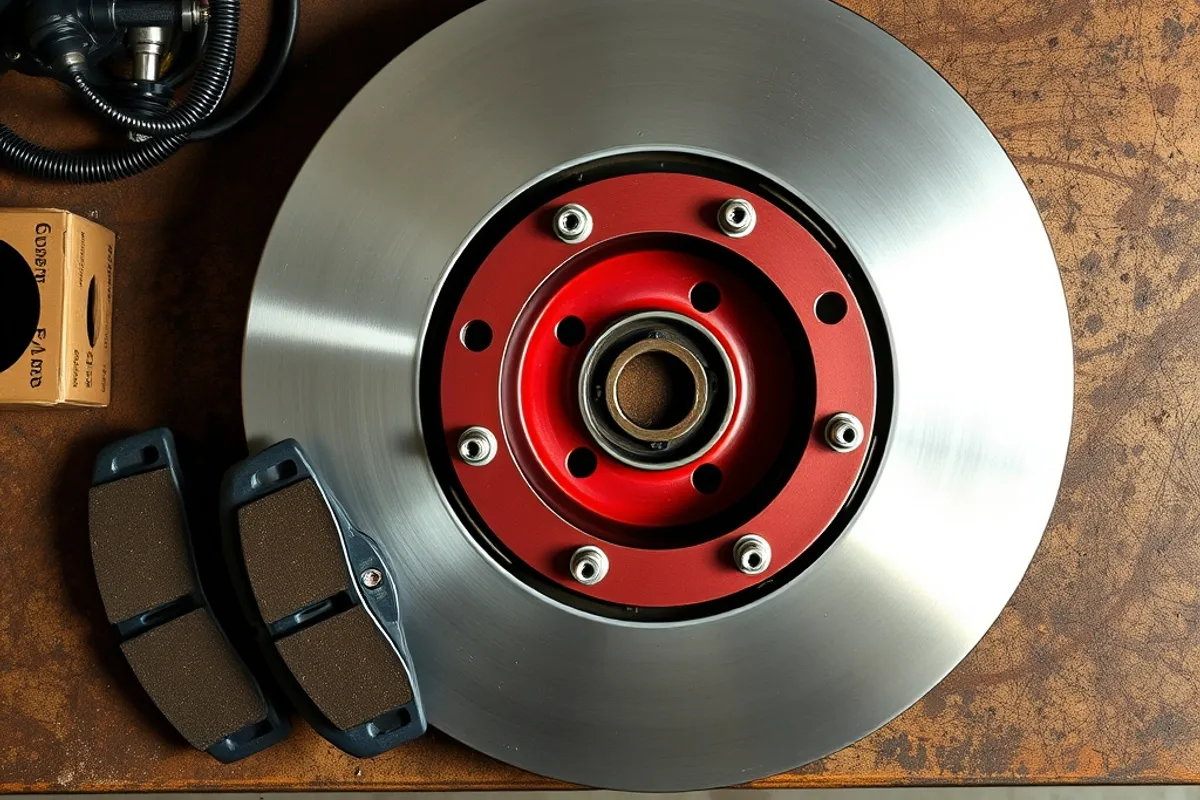
Brake pads last longer than most drivers think, but they wear faster in city traffic. Have the thickness checked at every oil change. A squeal or a soft pedal is a signal, not a noise to live with.
The jobs to do early, not late
Some items are cheap now and expensive later: the timing belt, the water pump and the accessory belt are perfect examples. A belt that fails can wreck an engine in seconds. If your car is near the interval, do it with the pump at the same time to save on labour.
Batteries also belong here. A battery that is four or five years old will fail on the coldest morning of the year. Test it before winter and replace it on your terms rather than at a roadside.
Building a routine you will keep
The best schedule is the one you actually follow. Set a reminder for oil changes, keep a simple log in the glovebox and photograph receipts. A written history raises the value of your car and makes any future buyer trust you. DIY oil and filter changes can cut a service bill by more than half.
If a task needs a lift, a torque wrench or software access, that is your cue to hand it to a shop. Knowing which jobs to outsource is part of good maintenance, not a failure of it.
What it all saves you
Drivers who keep to the manual spend dramatically less over the life of a car. The numbers are simple: a few hundred dollars a year in fluids, filters and tyres protects a machine worth thousands. Follow the schedule, keep records and address small noises early, and most cars will pass 150,000 miles without a major failure.