What you can safely learn first
DIY repair saves real money and teaches you how your car works, but it has a clear boundary. Anything involving airbags, high-voltage systems, fuel lines or lifting a car without proper stands belongs in a shop. Everything on this list is low-voltage, low-risk and forgiving of a first mistake.
Work on a level surface, never on a jack alone, and give yourself twice the time you think you need. The National Highway Traffic Safety Administration publishes recall data worth checking before any repair, and our maintenance schedule guide tells you when each job is due.
The beginner jobs, in order
Work through the list in sequence; each job builds confidence for the next and uses tools you have already bought.
| Job | Difficulty | Typical saving |
|---|---|---|
| Wiper blades and washer fluid | Very easy | $40 |
| Engine and cabin air filters | Easy | $60 |
| Oil and filter change | Easy | $50 |
| Battery replacement | Easy | $40 |
| Headlight and tail-light bulbs | Easy | $60 |
| Tyre pressure and rotation | Moderate | $50 |
| Brake pads (with care) | Moderate | $200 |
| Spark plugs | Moderate | $150 |
| Serpentine belt | Moderate | $150 |
| Coolant top-up and flush | Moderate | $100 |
The toolkit you actually need
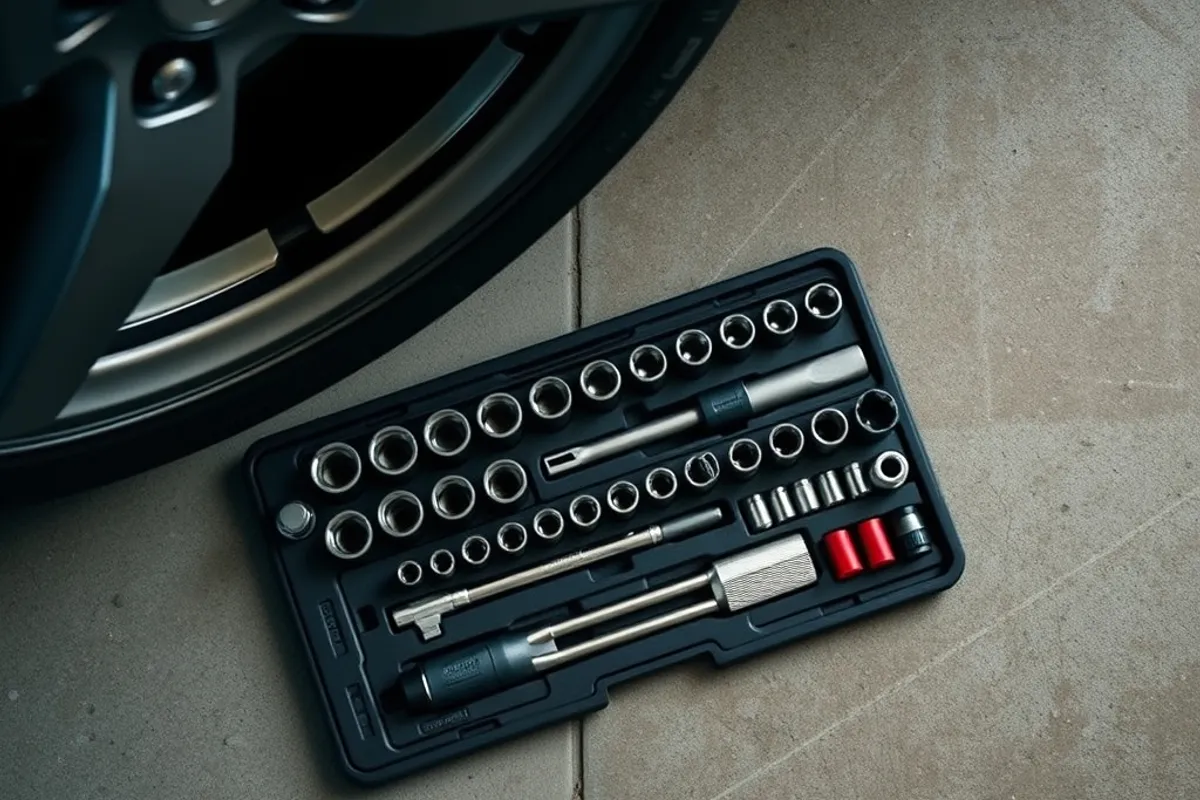
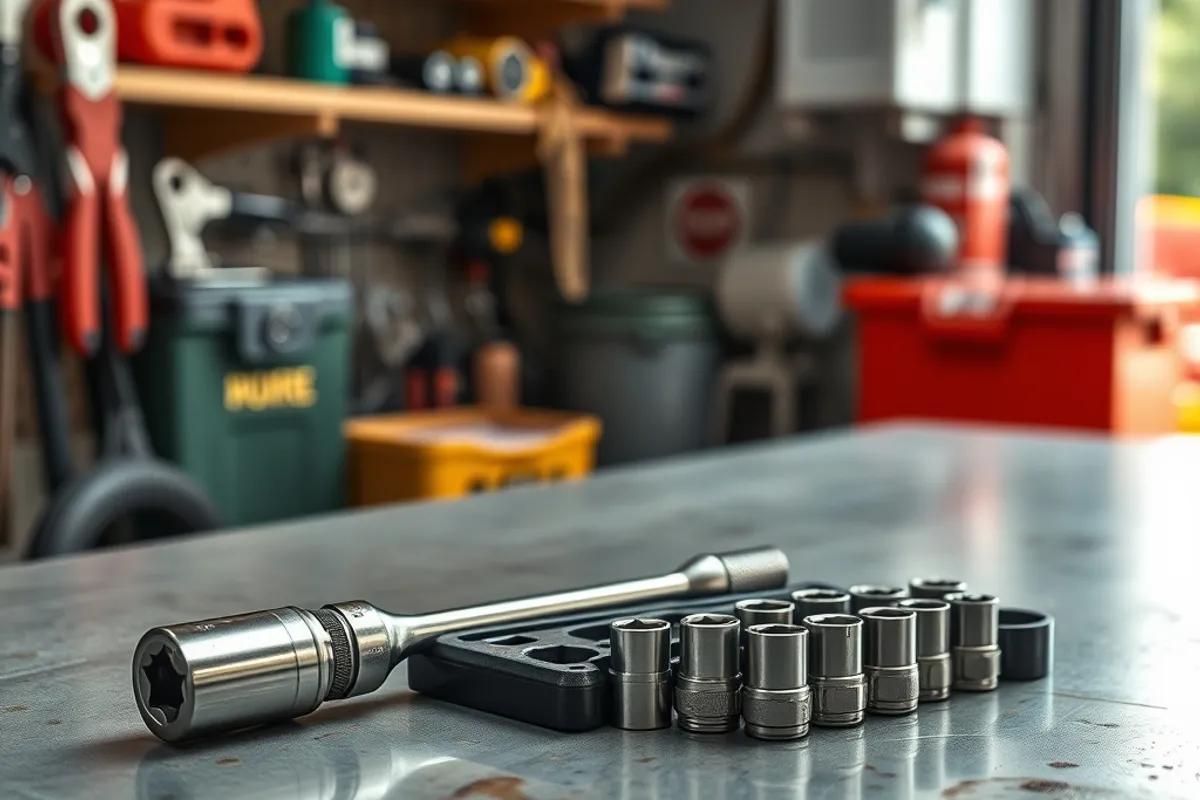
You do not need a wall of tools. A socket set with both metric and imperial sizes, a torque wrench, screwdrivers, pliers, a jack and two proper jack stands cover almost everything here. Add a funnel, an oil drain pan, gloves and a head torch and you are ready.
Buy quality where safety matters. A cheap jack stand is not a place to save money. A mid-price socket set will outlast the car, and a torque wrench prevents the stripped bolts that turn a simple job into a nightmare.
Start with the jobs where a mistake costs you a filter, not an engine.
Starting with fluids and filters
The oil and filter change is the classic first job. Warm the engine slightly, drain the oil into a pan, replace the filter and refill to the correct level. Dispose of the used oil at a recycling centre. Once you have done it twice, it takes half an hour.
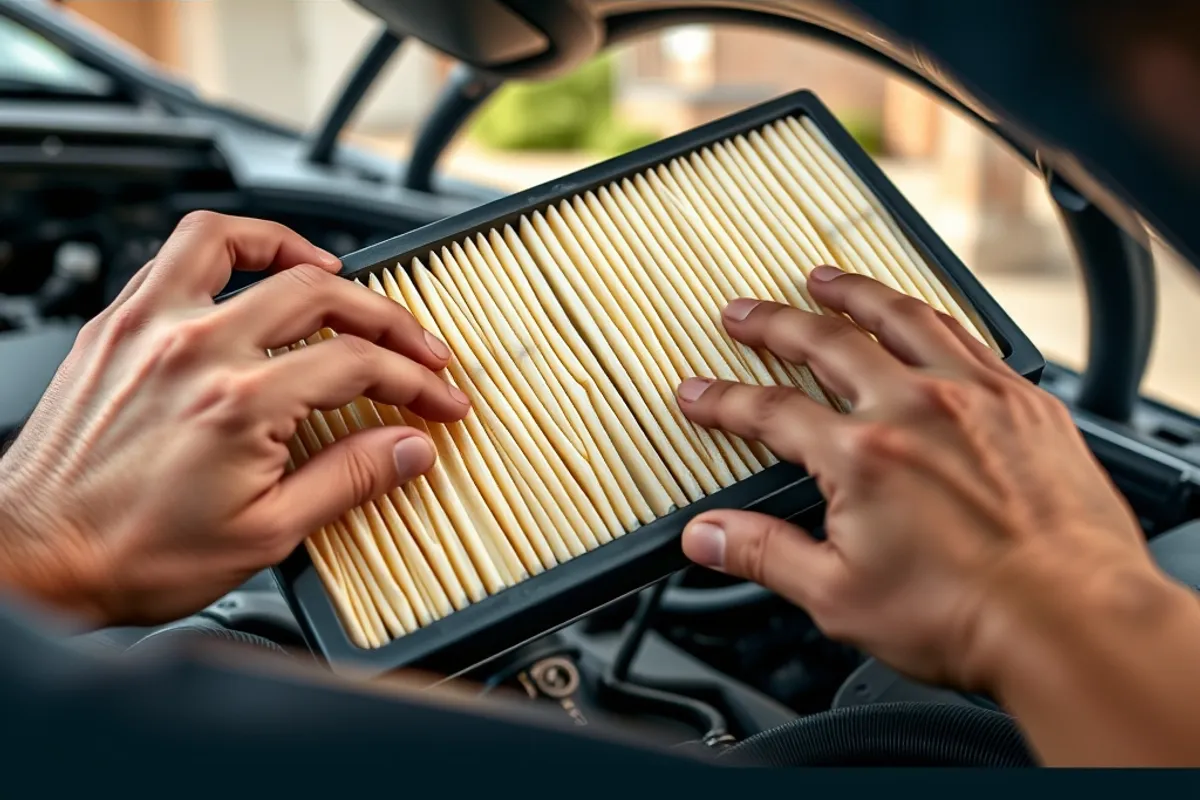
Air and cabin filters are even easier and often ignored by owners. A clogged cabin filter fogs your windscreen and strains the air conditioning. Both cost a fraction of a dealer charge and take minutes to swap.
Electrical odds and ends
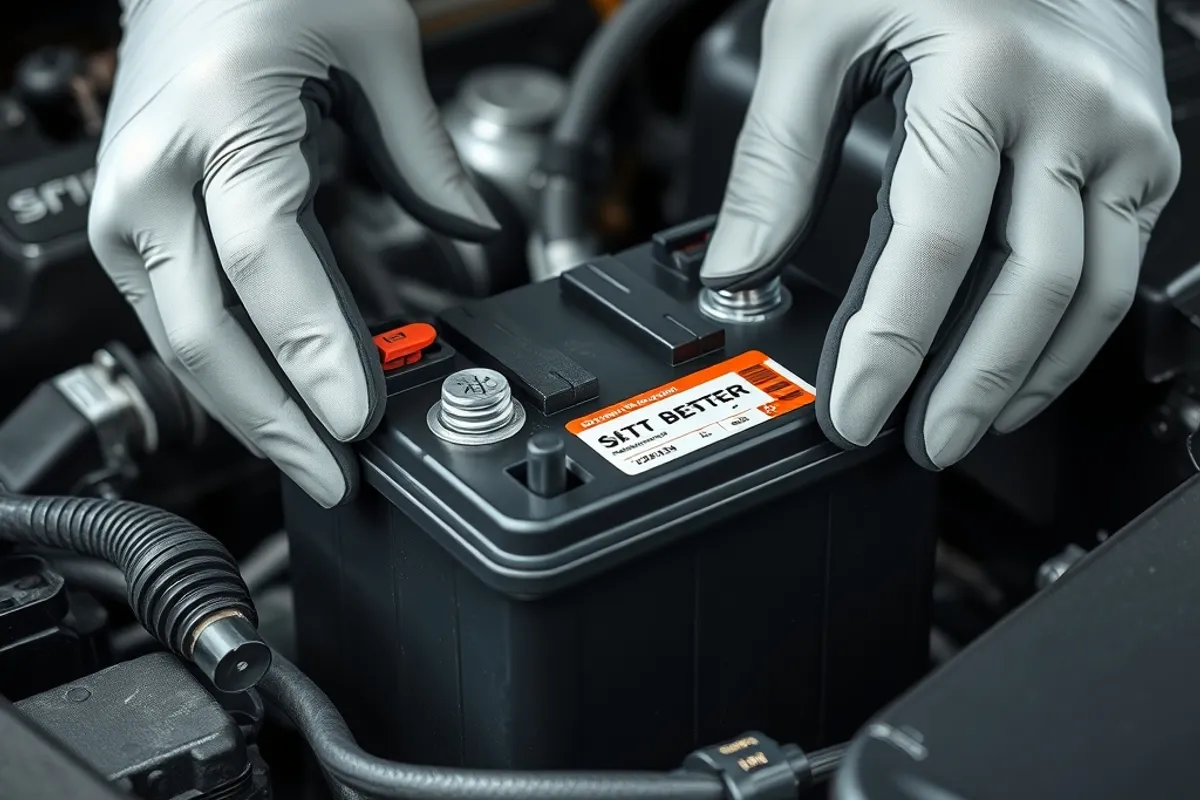
Batteries, bulbs and fuses are beginner-friendly and save a lot. Always disconnect the negative terminal first and reconnect it last to avoid sparks. When a bulb fails, replace both sides at once so the colour and output match.
If a circuit dies, check the fuse box before assuming a bigger fault. A blown fuse is a five-minute fix. Never replace a fuse with a higher rating, because the fuse is protecting the wiring, not the device.
When to stop and call a pro
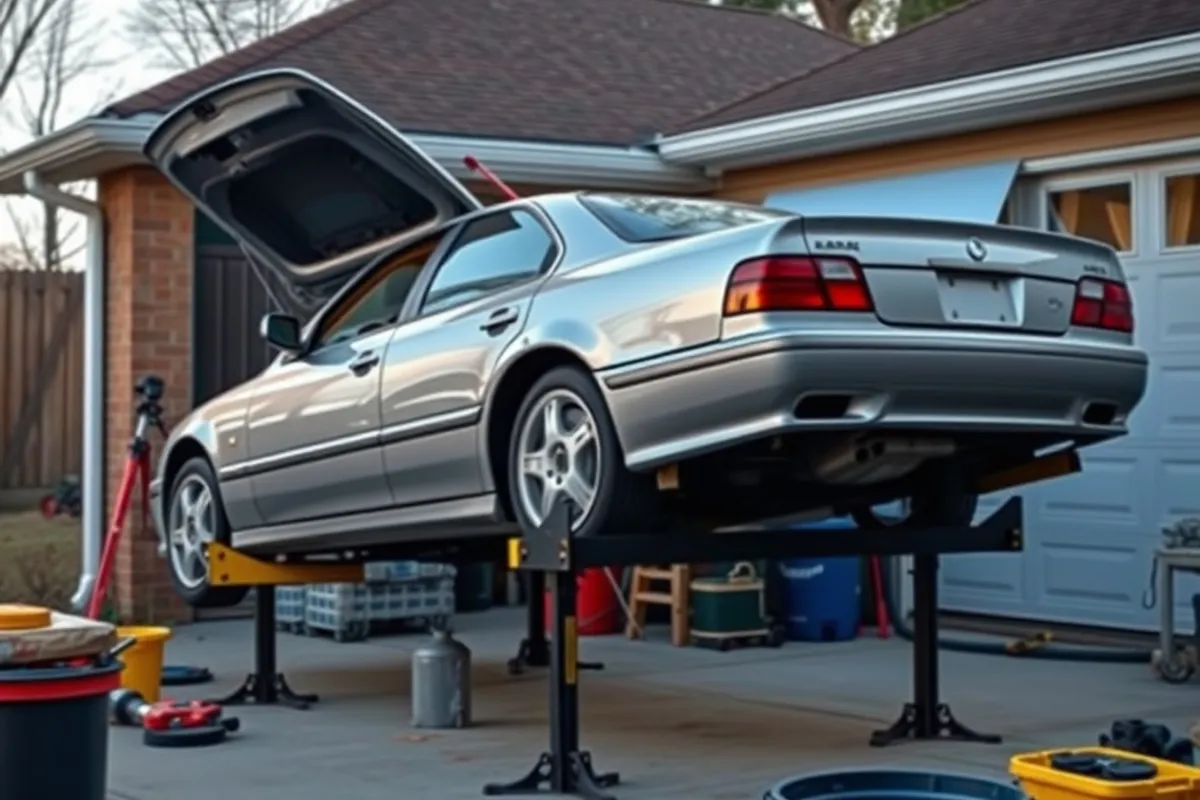
Stop the moment a job needs a lift, special software, a fuel line to be opened or a high-voltage cable to be touched. Modern EVs carry several hundred volts, which can kill. Brake hydraulic systems, timing belts and airbag components are also best left to trained hands if you are new.
There is no shame in handing over a job. The goal is to save money on the safe tasks and stay alive for the clever ones.
Getting better over time
Keep every receipt and note what you did and when. Watch a repair video for your exact model before you start, and work slowly. After a year of routine jobs you will have saved perhaps $800 and gained the confidence to tackle bigger tasks the right way, with the right tools.